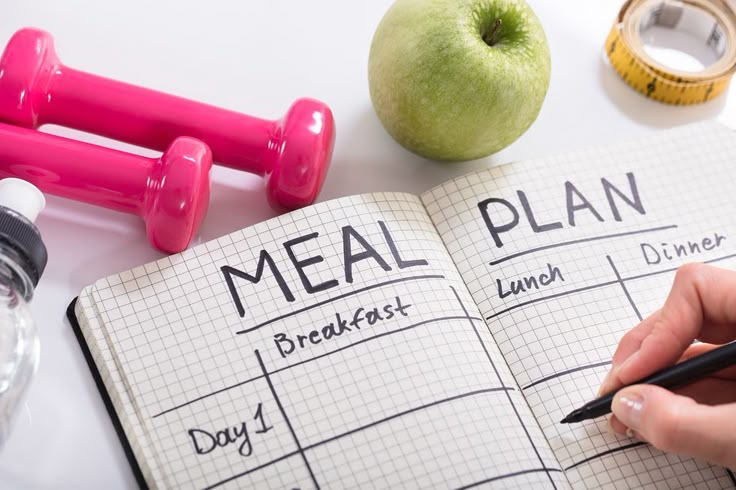
What is a Balanced Diet?
A balanced diet is one that includes a variety of foods in the right proportions to provide the nutrients your body needs to function effectively. These nutrients include:
A balanced diet is one that includes a variety of foods in the right proportions to provide the nutrients your body needs to function effectively. These nutrients include:
Carbohydrates: The body’s main energy source. Whole grains, fruits, and vegetables are great sources.
Proteins: Essential for building and repairing tissues. Excellent vegetarian sources include legumes, lentils, beans, paneer, tofu, and nuts.
Fats: Important for brain function and energy. Healthy fats come from sources like avocado, olive oil, nuts, and seeds.
Vitamins & Minerals: Support everything from your immune system to your bone health. They’re found in fruits, vegetables, and whole grains.
Water: Hydration is vital for your body’s detoxification, digestion, and overall function.
Proteins: Essential for building and repairing tissues. Excellent vegetarian sources include legumes, lentils, beans, paneer, tofu, and nuts.
Fats: Important for brain function and energy. Healthy fats come from sources like avocado, olive oil, nuts, and seeds.
Vitamins & Minerals: Support everything from your immune system to your bone health. They’re found in fruits, vegetables, and whole grains.
Water: Hydration is vital for your body’s detoxification, digestion, and overall function.
Why is a Balanced Diet Important?
Improved Energy Levels
Eating a variety of foods ensures you’re getting the essential nutrients your body needs, which translates to higher energy levels throughout the day. A balanced diet keeps blood sugar levels stable, preventing those afternoon energy crashes.
Eating a variety of foods ensures you’re getting the essential nutrients your body needs, which translates to higher energy levels throughout the day. A balanced diet keeps blood sugar levels stable, preventing those afternoon energy crashes.
Supports Healthy Weight Management
A well-rounded diet helps regulate your metabolism and keeps your hunger in check. Instead of restrictive diets that might leave you feeling deprived, a balanced diet lets you enjoy different foods in reasonable portions, helping you maintain a healthy weight without feeling restricted.
A well-rounded diet helps regulate your metabolism and keeps your hunger in check. Instead of restrictive diets that might leave you feeling deprived, a balanced diet lets you enjoy different foods in reasonable portions, helping you maintain a healthy weight without feeling restricted.
Boosts Immunity and Prevents Disease
By providing your body with the right nutrients, a balanced diet strengthens your immune system and helps reduce the risk of chronic diseases like diabetes, heart disease, and certain cancers.
By providing your body with the right nutrients, a balanced diet strengthens your immune system and helps reduce the risk of chronic diseases like diabetes, heart disease, and certain cancers.
Improves Mental Health
Did you know that what you eat can affect your mood and focus? Nutrient-dense foods, particularly those rich in omega-3 fatty acids (from flaxseeds, chia seeds, and walnuts), antioxidants, and vitamins, can improve brain function and reduce symptoms of anxiety and depression.
Did you know that what you eat can affect your mood and focus? Nutrient-dense foods, particularly those rich in omega-3 fatty acids (from flaxseeds, chia seeds, and walnuts), antioxidants, and vitamins, can improve brain function and reduce symptoms of anxiety and depression.
Common Diet Myths Debunked
Myth: Carbs Are Bad for You
The truth is, not all carbs are created equal. Simple carbs (like those found in sugary snacks and white bread) can spike blood sugar and lead to weight gain. However, complex carbs found in whole grains, vegetables, and legumes are packed with fiber and essential nutrients, making them a vital part of a healthy diet.
The truth is, not all carbs are created equal. Simple carbs (like those found in sugary snacks and white bread) can spike blood sugar and lead to weight gain. However, complex carbs found in whole grains, vegetables, and legumes are packed with fiber and essential nutrients, making them a vital part of a healthy diet.
Myth: Fat Makes You Fat
Healthy fats, such as those from nuts, seeds, avocados, and olive oil, are essential for overall health. They help with hormone regulation, brain function, and even fat loss! The key is to consume them in moderation and choose the right types of fats.
Healthy fats, such as those from nuts, seeds, avocados, and olive oil, are essential for overall health. They help with hormone regulation, brain function, and even fat loss! The key is to consume them in moderation and choose the right types of fats.
Myth: You Need to Cut Out All Sugar
While it’s true that added sugars can contribute to weight gain and other health issues, the occasional treat or naturally occurring sugars (like those found in fruits) are not inherently bad. Moderation is key.
While it’s true that added sugars can contribute to weight gain and other health issues, the occasional treat or naturally occurring sugars (like those found in fruits) are not inherently bad. Moderation is key.
Myth: You Can’t Lose Weight While Eating Carbs or Fats
Many people believe that eliminating certain food groups will help them lose weight, but this isn’t sustainable long term. A healthy, well-balanced diet that includes all macronutrients (carbs, fats, and proteins) is essential for your body to function properly and lose weight in a healthy way.
Many people believe that eliminating certain food groups will help them lose weight, but this isn’t sustainable long term. A healthy, well-balanced diet that includes all macronutrients (carbs, fats, and proteins) is essential for your body to function properly and lose weight in a healthy way.
Practical Tips for Building a Balanced Diet
Start Your Day with Protein
Breakfast is an important meal, and starting your day with a protein-rich breakfast can keep you full longer and help regulate your blood sugar. Try options like Greek yogurt, paneer bhurji, moong dal chilla, or a smoothie with plant-based protein.
Breakfast is an important meal, and starting your day with a protein-rich breakfast can keep you full longer and help regulate your blood sugar. Try options like Greek yogurt, paneer bhurji, moong dal chilla, or a smoothie with plant-based protein.
Add Color to Your Plate
Fruits and vegetables are packed with vitamins, minerals, and fiber. Aim to fill half of your plate with colorful vegetables and fruits at every meal. The more colorful, the better—each color represents different nutrients.
Fruits and vegetables are packed with vitamins, minerals, and fiber. Aim to fill half of your plate with colorful vegetables and fruits at every meal. The more colorful, the better—each color represents different nutrients.
Practice Portion Control
It’s not just about eating the right foods, but also about eating the right amounts. Portion control helps you avoid overeating and makes it easier to maintain a healthy weight. Try using smaller plates or serving your food in smaller portions to help control your intake.
It’s not just about eating the right foods, but also about eating the right amounts. Portion control helps you avoid overeating and makes it easier to maintain a healthy weight. Try using smaller plates or serving your food in smaller portions to help control your intake.
Plan Your Meals Ahead
Meal planning can prevent you from reaching for unhealthy snacks when you’re hungry. Prepare and portion out your meals for the week, ensuring you have a balance of protein, carbs, and healthy fats in every dish.
Meal planning can prevent you from reaching for unhealthy snacks when you’re hungry. Prepare and portion out your meals for the week, ensuring you have a balance of protein, carbs, and healthy fats in every dish.
Stay Hydrated
Drink plenty of water throughout the day to support digestion, keep your skin healthy, and stay energized. If plain water doesn’t excite you, try infusing it with fruits like lemon, cucumber, or mint for a refreshing twist.
Drink plenty of water throughout the day to support digestion, keep your skin healthy, and stay energized. If plain water doesn’t excite you, try infusing it with fruits like lemon, cucumber, or mint for a refreshing twist.
Listen to Your Body
Pay attention to your hunger cues and eat when you’re truly hungry, not out of boredom or stress. Eating mindfully helps you enjoy your food more and recognize when you’re full.
Pay attention to your hunger cues and eat when you’re truly hungry, not out of boredom or stress. Eating mindfully helps you enjoy your food more and recognize when you’re full.
Conclusion:
A balanced diet isn’t a short-term diet plan—it’s a sustainable lifestyle choice that supports your overall health, energy, and longevity. Instead of focusing on restrictions, focus on nourishment and variety. Every meal is an opportunity to fuel your body with wholesome, plant-based nutrition.
A balanced diet isn’t a short-term diet plan—it’s a sustainable lifestyle choice that supports your overall health, energy, and longevity. Instead of focusing on restrictions, focus on nourishment and variety. Every meal is an opportunity to fuel your body with wholesome, plant-based nutrition.
If you’re unsure where to start or need personalized guidance, consider consulting a nutrition expert who can help you create a vegetarian plan tailored to your health goals.
Ready to take the first step toward a healthier, more energized you? Start today—your body will thank you!
Ready to take the first step toward a healthier, more energized you? Start today—your body will thank you!
Need a personalized vegetarian plan?
Tell us your goal—PCOS, weight loss, thyroid, sports—and we'll guide you.